Programs
A curriculum built on enduring knowledge
FKA delivers a content-rich English curriculum based on the Core Knowledge tradition developed by Professor E.D. Hirsch — taught in small, considered classes for students aged 8 to 15.

The Core Knowledge tradition
Content, not merely skill
Core Knowledge is a curriculum designed by University of Virginia Professor E.D. Hirsch. It is content-focused, rather than skill-focused. Professor Hirsch's philosophy holds that high-functioning individuals draw on background knowledge to foster understanding — not on isolated reading skills such as keyword identification.
Modern education increasingly emphasises skill-based learning, which research suggests does not adequately prepare students for the demands of the world. Reading skills are not freely transferable between texts; without background knowledge, no amount of reading skill can compensate.
Tuition & lesson structure
Seventy considered minutes
Each group is made up of two grade levels. Every session lasts 70 minutes and follows a clear, traditional rhythm.
I.
Main subject materials
50 minutes
Core Knowledge content across literature, history, geography and science.
II.
Quiz
5 minutes
A brief recall exercise to consolidate the day's material.
III.
School tutorial
15 minutes
Group tutorial on pupils' own school materials and homework.
Schedule may vary by lesson. All pupils attend twice each week, freely choosing their combination of days across our two weekly cycles.
Small group learning
Seven pupils, never more
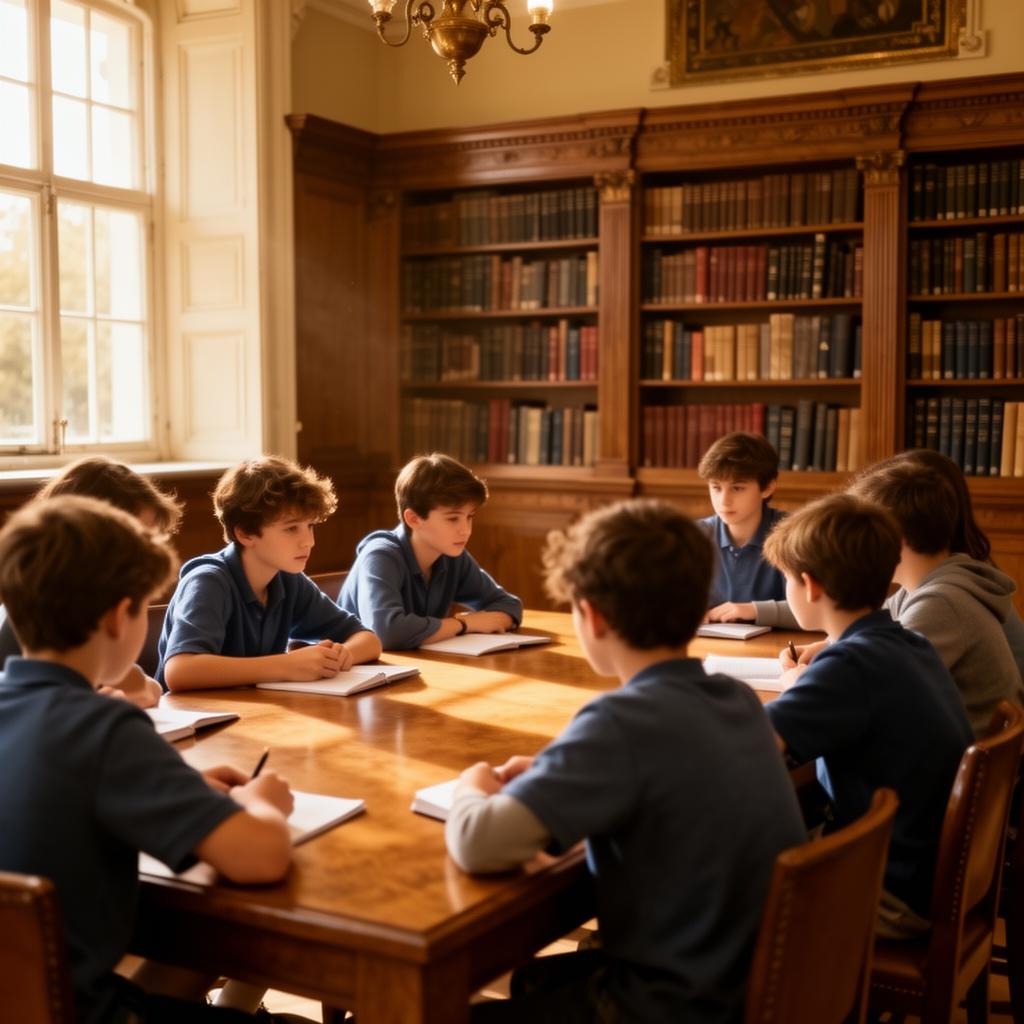
Each group is capped at seven students. Small group learning is far more effective than individual or large-group instruction — pupils benefit from the unique perspectives of peers, and the teacher can attend to every voice.
It is also a deliberate philosophical choice: a true seminar happens only where dialogue is possible. We will expand this provision in time, but our pedagogical commitment to the small group is permanent.
Programmes
Tuition & lesson structure
Our lessons run in two cycles each week. Every student attends two lessons, freely choosing any combination of Cycle 1 and Cycle 2 days.
Cycle I
- Monday
- Tuesday
- Wednesday
Cycle II
- Thursday
- Friday
- Saturday
All students sign up for two lessons per week. Any combination of Cycle 1 and 2 days may be chosen.
Weekly schedule
Lesson times
| P.3–4 | 3:40 p.m. – 4:50 p.m. |
| P.5–6 | 4:55 p.m. – 6:05 p.m. |
| F.1–F.2 | 6:10 p.m. – 7:20 p.m. |
| P.3–4 | 4:55 p.m. – 6:05 p.m. |
| P.5–6 | 3:40 p.m. – 4:50 p.m. |
| F.1–F.2 | 6:10 p.m. – 7:20 p.m. |
| P.3–4 | 9:00 a.m. – 10:10 a.m. |
| P.5–6 | 10:15 a.m. – 11:25 a.m. |
| F.1–F.2 | 11:30 a.m. – 12:40 p.m. |
| Closed | — |
Tuition fees
Per-lesson rates
| Primary 3–4 | HK$480 per class |
| Primary 5–6 | HK$500 per class |
| Form 1–2 | HK$520 per class |
Tuition is paid on the first working day of each month. An invoice is issued beforehand. A monthly schedule of lessons is published before the month begins.
The Drawing Room
An intellectual sanctuary
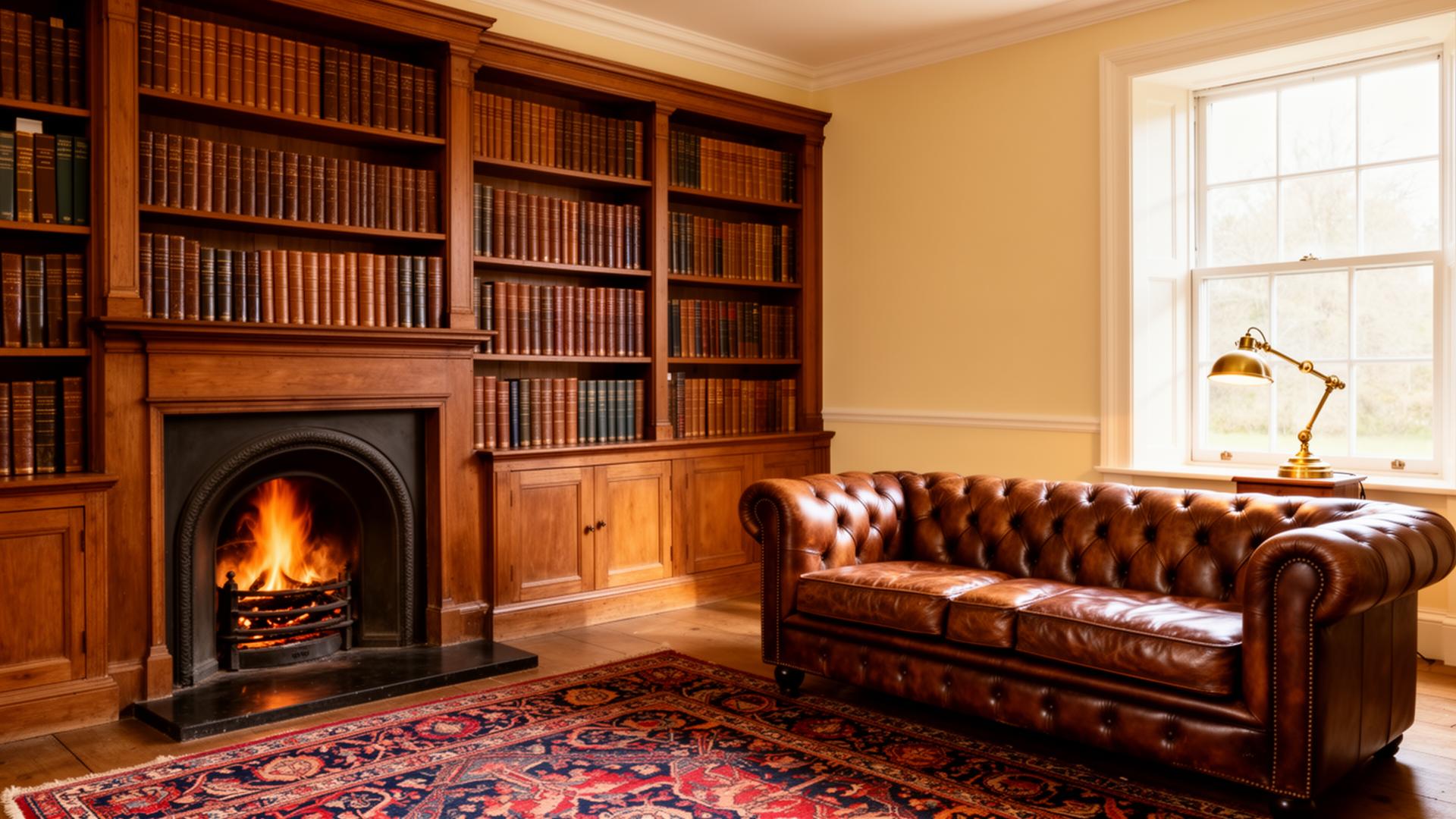
The Drawing Room is a relaxing, comfortable space for students to study and complete their homework. Its inspiration is the British drawing room of the old country manor — where, after a meal in the dining room, guests would "withdraw" to an adjacent room for elevated intellectual pursuits and conversation.
Students with lessons on a given day are welcome to remain in The Drawing Room for as long as they wish within opening hours, either before or after class. It is freely open to all students for self-study.
*The Drawing Room is currently under development. Photos are for reference only.
- Monday – Friday
- 3:00 p.m. – 8:00 p.m.
- Saturday
- 8:30 a.m. – 1:30 p.m.

What pupils take with them
A genuine grasp of the world
- — A wide vocabulary built on real cultural knowledge.
- — The reading comprehension that follows from knowing things.
- — A natural facility for thoughtful conversation across subjects.
- — Examination results that follow from genuine understanding.
- — A habit of sustained study formed in their formative years.